For many of us, our first impulse upon waking is to grab our phones, checking notifications before our feet even hit the floor. Given the extent to which we can stay tethered to the digital realm throughout the day, us modern humans may benefit from carving out a protected space, one free of the blinking, buzzing, all-consuming presence of “problematic devices.” This is what I like to call creating a Sanctuary.
Why a Sanctuary?
Picture the first moments of your day: the morning sun sneaks through the curtains, and before you fully emerge from the warmth of the covers, your hand — involuntarily — reaches for your phone; a habit so ingrained that you hardly notice how it shapes your mind's waking rhythms. Or in the quiet hour before bed, you lie there endlessly flicking through images, videos, and threads. The Sanctuary is a response to this creeping habit. It is a place — physical and sacred — dedicated to a single purpose: restoring your sovereignty over attention and presence.
Defining Your Sanctuary Spaces
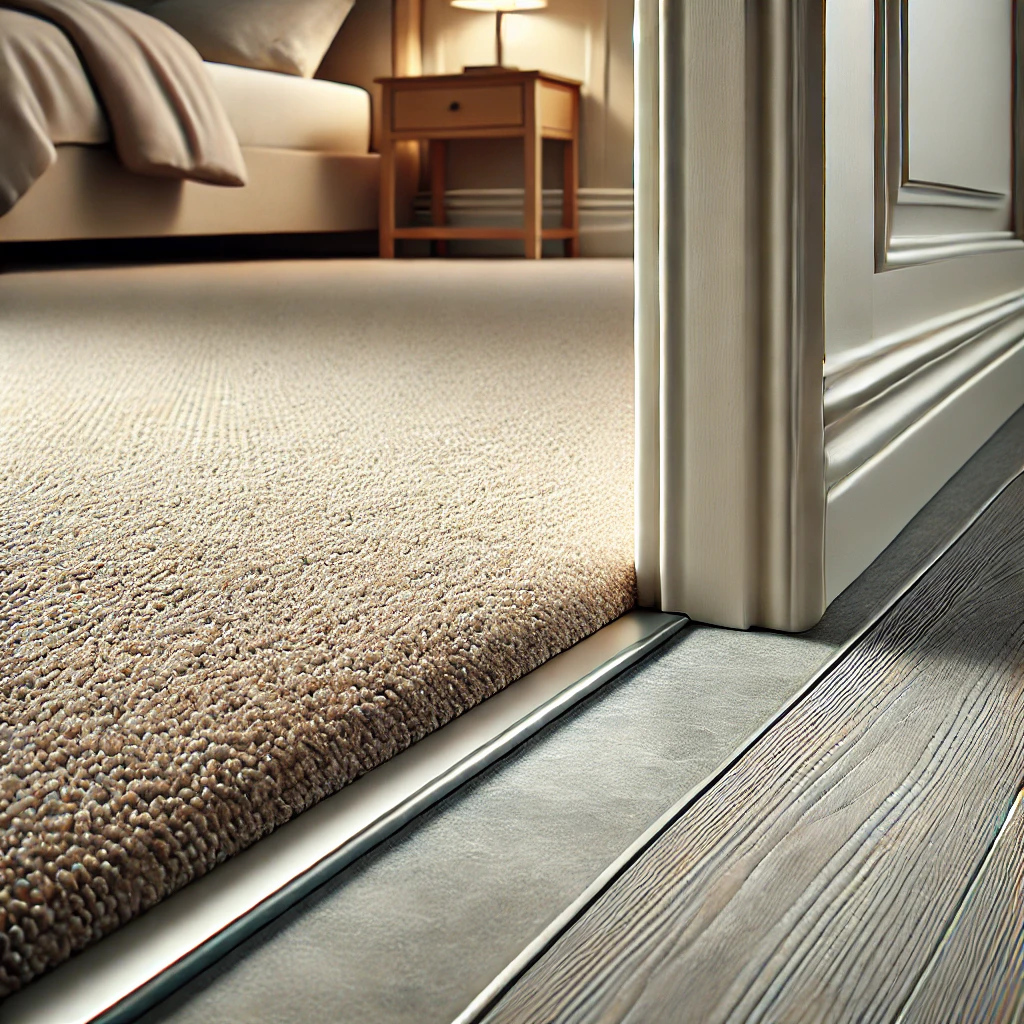
For many, the most important Sanctuary is the bedroom. It can be as simple as the boundary between the hallway and the soft carpet under your bed. Think of the old game “The Floor Is Lava” and the childish dedication that we used to have to never letting our feet touch the floor. Sanctuaries require the same level of childish dedication — the moment you step over that threshold, it's your device that would become radioactive, and instantly irradiate you with toxicity.
If you're like me, and your phone is the main issue — your Sanctuary must forbid it from ever crossing the threshold. If your laptop draws you into late-night work loops, then it, too, must never enter. Maybe you also suffer from the digital tug-of-war while in the bathroom, mindlessly checking messages while doing your business or while standing at the bathroom counter. In that case, the bathroom (every bathroom!) must be a Sanctuary, too. It's about knowing yourself well enough to identify where you need Sanctuary protection the most. You might get some comments at work, but you'll probably find that people can relate, and they might benefit from setting up their own Sanctuary spaces, too.
A Childlike Dedication to the Boundaries
To maintain a Sanctuary, a certain playful seriousness is required. Just as a child insists that one toe touching the lava floor means certain doom, you must bring that intensity to your device-free zone. If it helps, dramatize the boundary. Hold your phone at arm's length as you step into your Sanctuary, as though you were carrying a powerful artifact that must not enter sacred ground. This ritualistic gesture — silly though it may feel — imprints the rule onto your mind. In time, you'll associate the Sanctuary with a calm and unbroken mental space. Did your device enter the Sanctuary for a second? Just get it back out over that threshold, and don't dwell on it — an instant (and enthusiastic) correction goes a long way to undo the desecration, and brief toxic exposure.
Know its place
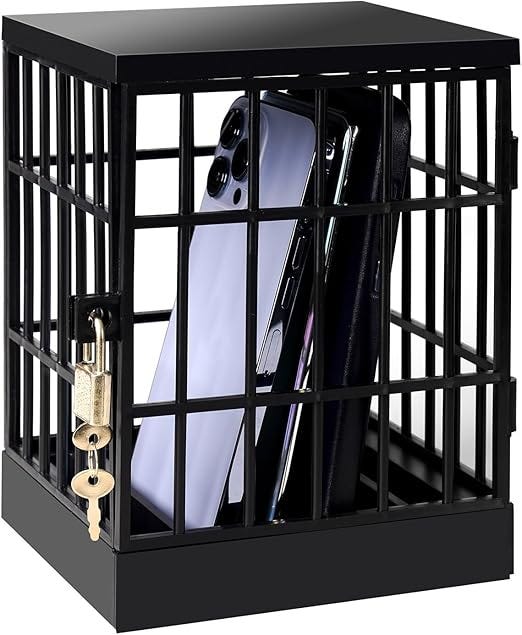
Some find that simply placing the phone on a shelf outside the Sanctuary is enough. Others might rest it atop a doorframe or set it gently on the floor (if you take this route, be mindful of the risk of damage). For those who need extra reinforcement, a physical barrier can help: a dedicated phone cage or lockbox becomes a tangible reminder that this space is to remain pure. Over time, you'll likely find that the mere knowledge of the Sanctuary's existence changes your behavior. The threshold itself becomes an invisible shield, a small but mighty tool for reclaiming your presence of mind.
The Payoff: Quieting the Mental Chatter
At first, you may feel restless inside the Sanctuary without your device in hand. You might even experience an awkward emptiness when you enter the Sanctuary. With time, emptiness can transform into something else — spaciousness. You might find you keep your Sanctuary neat and tidy with your newfound time and attention. You might find your thoughts and emotions have a chance to settle more naturally, without the quick fix of feeds or the chatter of inboxes. Soon, this quiet can become something you look forward to. You end up cherishing the mental clarity and unstructured ease that come when you're not tethered to endless digital streams.
Want to keep working on personal behavior change? Follow along at impulse.training for more tips and early access to the Impulse app.